Sod & Lawn Installation in Ridgefield, WA
First lawns on compacted builder subgrade. New sod lawns and full lawn renovations with real soil preparation — the part most companies skip.
Free Estimate in RidgefieldSod & Lawn Installation in Ridgefield: what is different here
A new Ridgefield home typically arrives with hydroseed sprayed over ground that heavy equipment compacted for six months. The grass germinates, looks acceptable for one season, and then thins out because the roots hit a compacted layer two inches down and stop.
Doing it properly means ripping and tilling that compaction, pulling out the construction debris and rock that is always in there, bringing in amended topsoil to give real root depth, and grading so the finished lawn falls away from the house. Then sod.
It is more work than a hydroseed truck, and it is the difference between a lawn that establishes deep and holds through August, and one you are patching every spring. On a new build it is also the cheapest time to do it, because the yard is already bare and access is still open.
How we build it
- Rip and till compacted construction subgrade
- Debris and rock removal
- Amended topsoil brought to depth
- Fine grading pitched away from the foundation
- Tight staggered seams, rolled in
- Written watering and first-mow schedule
Sod is the easiest landscape product in the world to sell badly. Anyone can roll green carpet over hard ground and collect a check — it looks perfect for three weeks and then thins out, because the roots hit compacted clay two inches down and stop.
This is our home town — our shop and our owner both live here. Estimates in Ridgefield are free, and the price we put in writing is the price.
Full detail on how we build sod & lawn installation · Everything we do in Ridgefield
Sod & Lawn Installation we have built
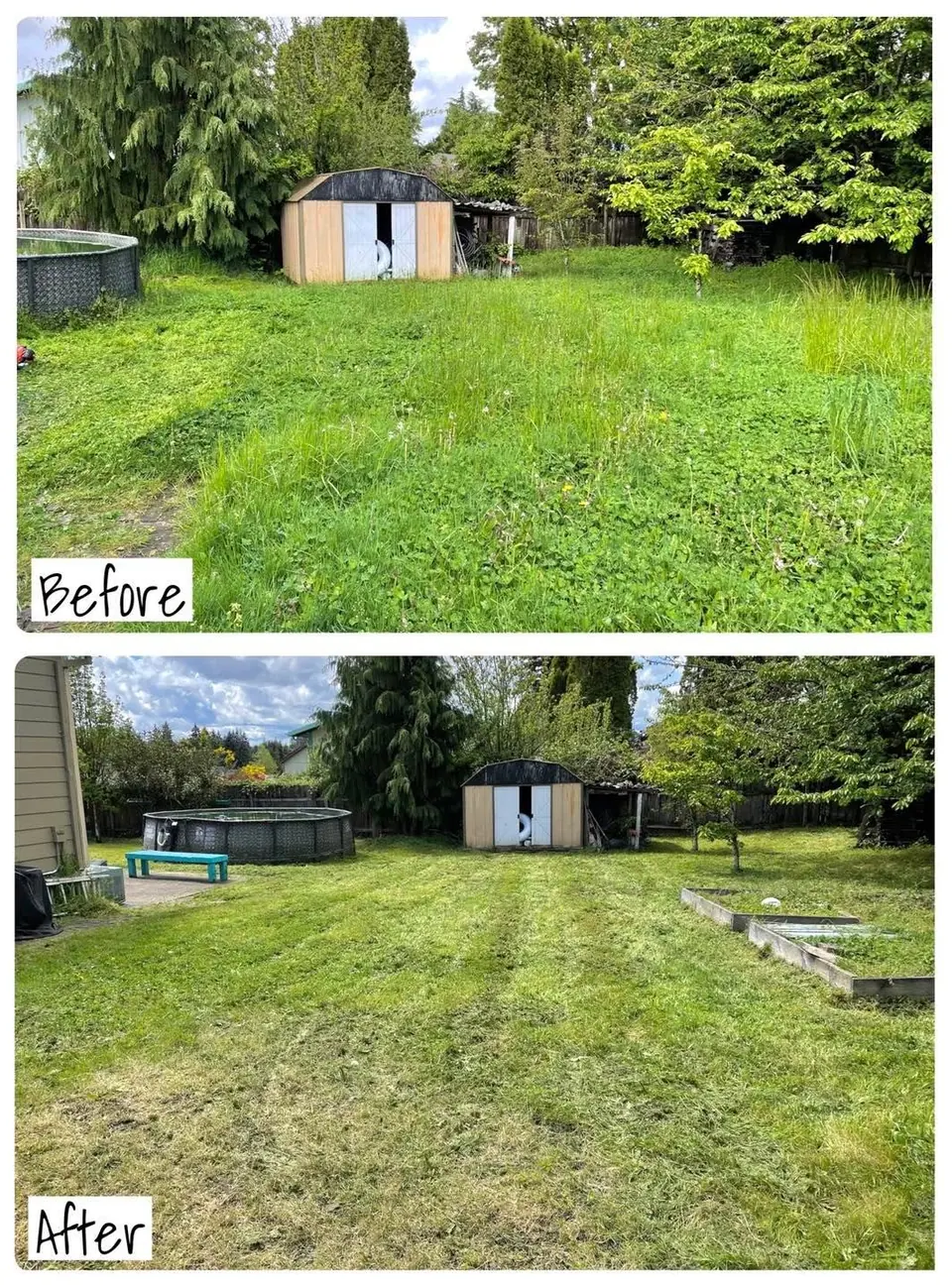
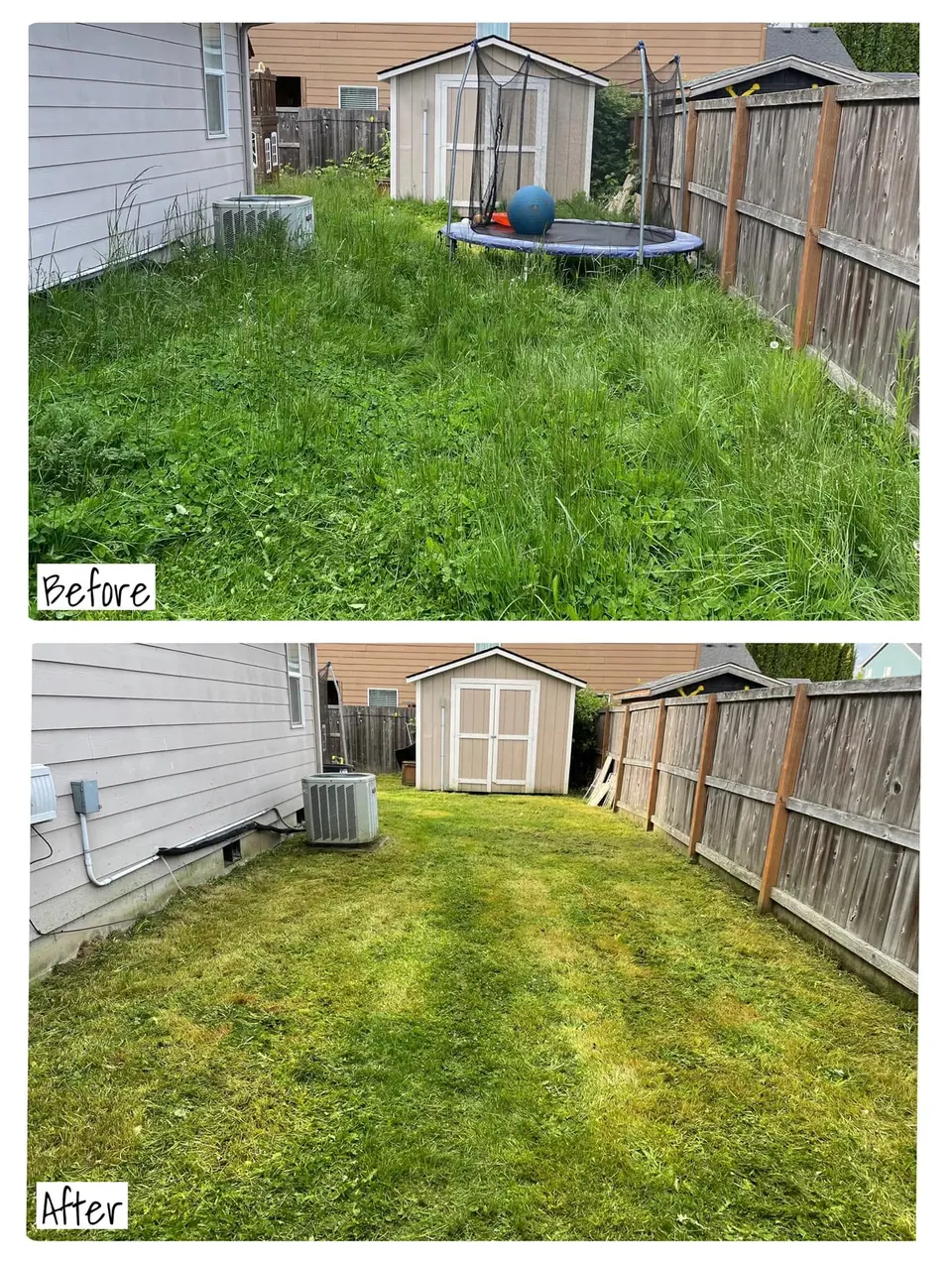
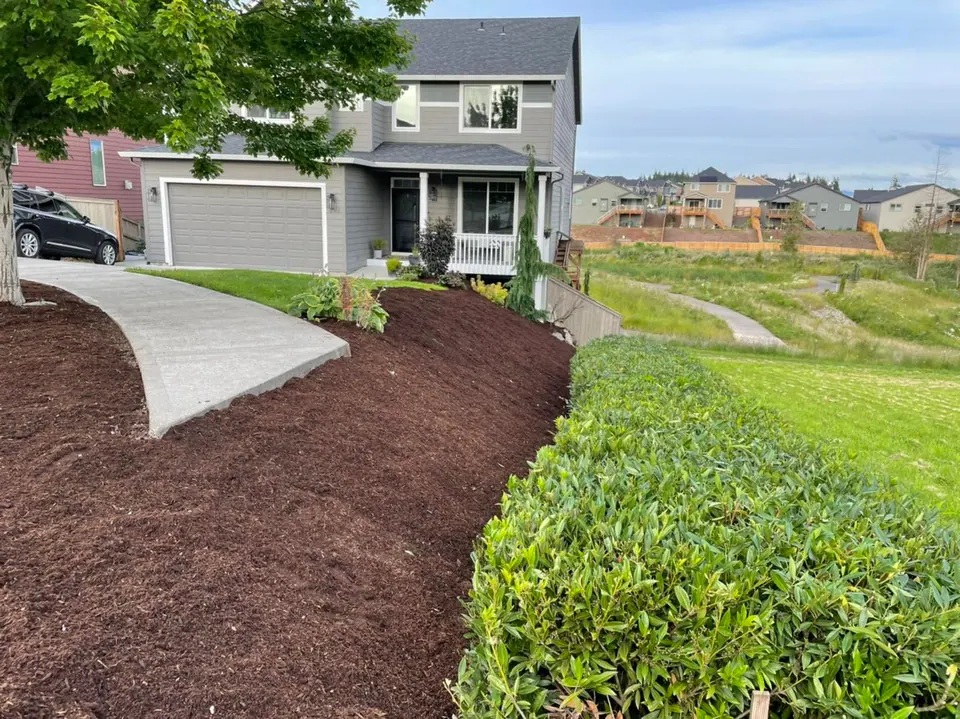
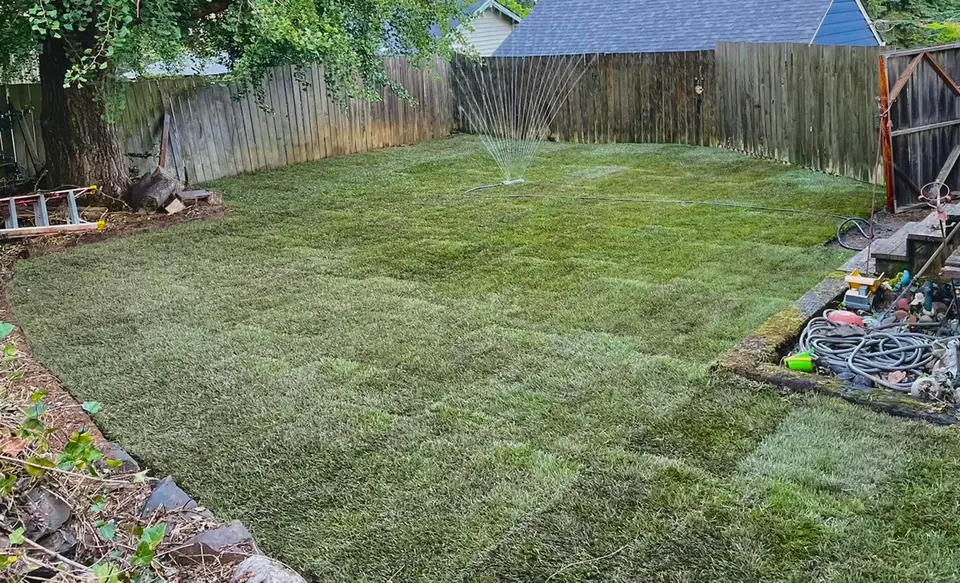
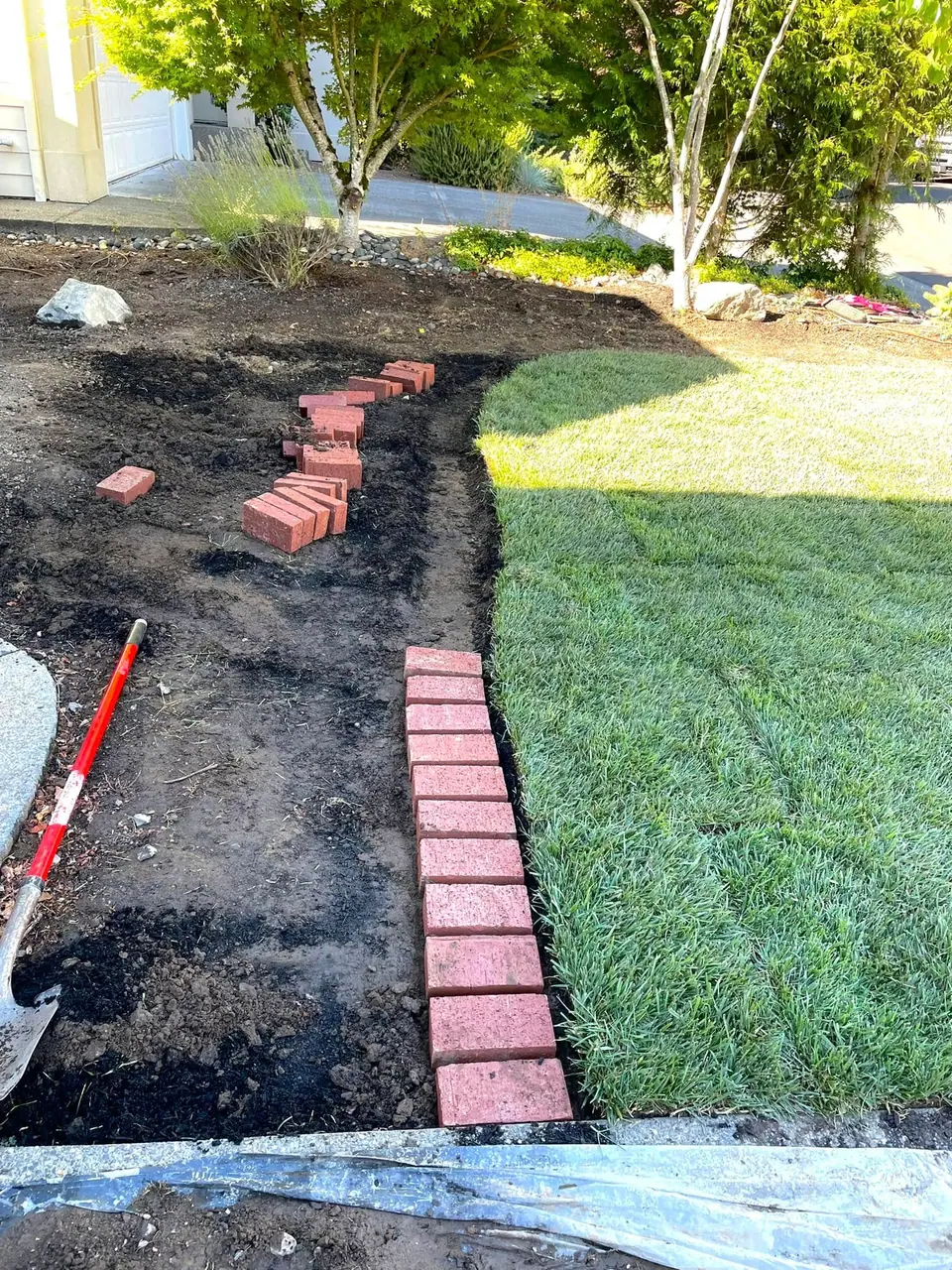
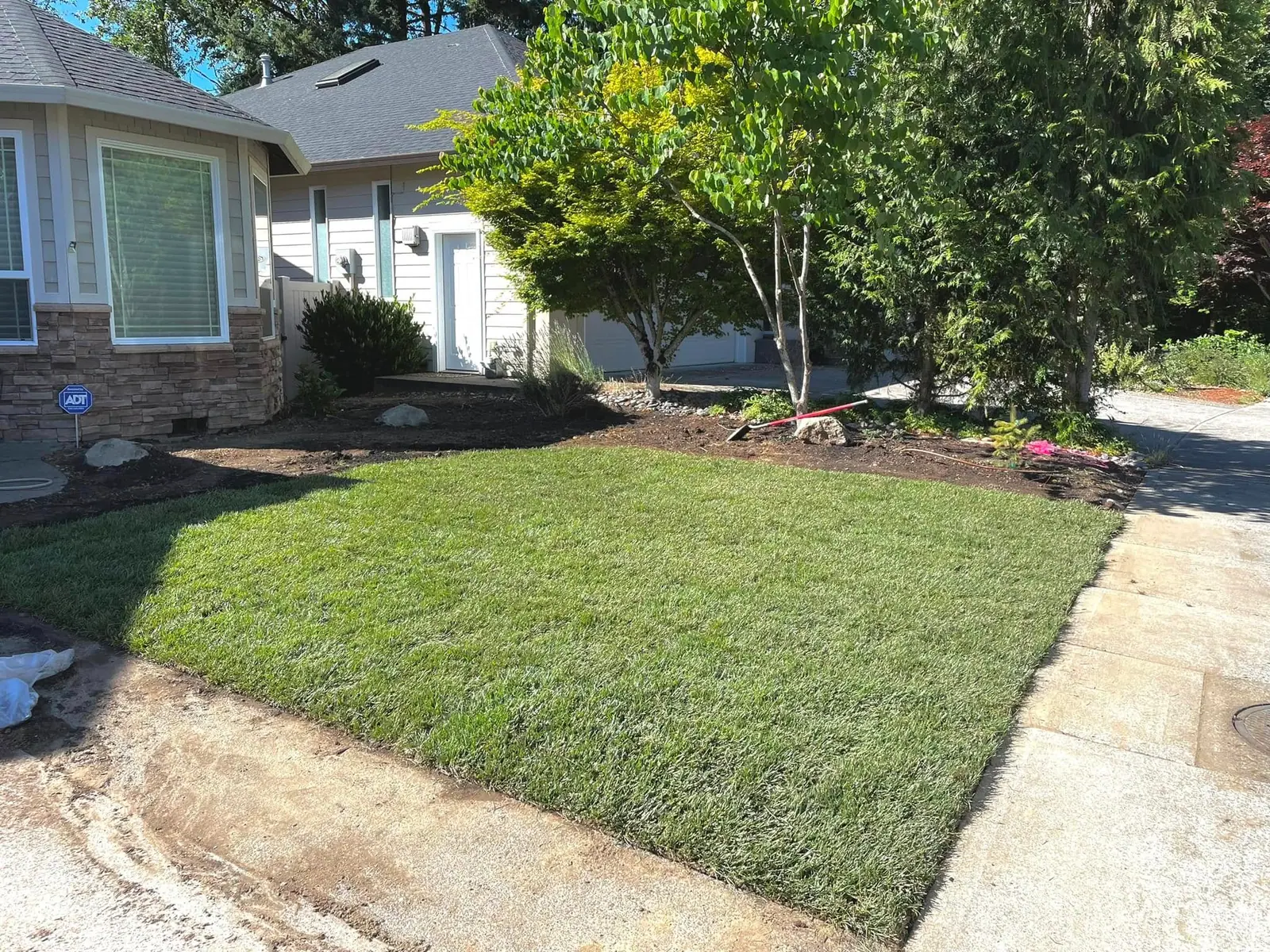
Sod & Lawn Installation in Ridgefield
Free on-site estimates across Clark County. We walk the property with you, tell you what it actually needs, and put a fixed price in writing.
Sod & Lawn Installation in Ridgefield: questions we get
Why does sod struggle on a new Ridgefield lot?
Because the topsoil generally left during construction and what remains is subsoil compacted by machinery. Roots cannot get into it and water cannot get through it, so the lawn lives on the top couple of inches and thins out within two seasons. It is a soil problem before it is a grass problem.
How much soil preparation does a new lot actually need?
More than most quotes allow for. Relieving the compaction, correcting the grade so water runs somewhere sensible, and bringing in enough quality topsoil for roots to occupy. That preparation is the difference between a lawn that thrives and one you are patching every spring.
Can sod go in at the same time as the rest of the yard build?
It should be one of the last items. Grade and drainage, then hardscape, then irrigation, then soil and sod. Laying lawn before the patio is built means driving barrows across it; laying it before drainage means digging it up.
Will the builder’s grading drain properly for a lawn?
Not usually without adjustment. Builder grading is set to shed water away from the house and satisfy inspection, which is not the same as a lawn area that drains evenly. Expect finish grading to be part of the work rather than assuming it is already done.
Does our HOA require a lawn in the front yard?
Some of the newer Ridgefield developments do have expectations about front yard appearance and timescales for completing landscaping after move-in. Worth checking early, because it can affect both what you install and when you need it done by.
How soon after moving in should we do the lawn?
Autumn is the best establishment window here — warm soil, returning rain and months of mild weather before summer. If your move-in falls in late spring, it can be worth waiting rather than fighting to establish a lawn through July and August.
Should we sod the whole lot or just part of it?
Worth thinking about honestly. A large lawn on a new lot means mowing and irrigating ground nobody uses. Beds, hardscape and defined lawn areas usually give more usable outdoor space and less upkeep than wall-to-wall grass, and it costs less to install.
Do we need irrigation before the sod goes down?
It is far cheaper to install before the lawn and beds than to retrofit afterwards, and new sod needs consistent water while it roots. If irrigation is even a possibility, put the sleeves and mainline in during the yard build rather than trenching a finished lawn later.