Landscaping in Salmon Creek, WA
Salmon Creek is the renovation belt. The subdivisions around WSU Vancouver, Legacy Salmon Creek and up along NE 139th went in through the 1990s and 2000s, which means the original landscaping is now old enough to be failing all at once.
Free Estimate in Salmon CreekWhat Salmon Creek yards actually need
Everything is hitting end of life at the same time
Twenty-five to thirty years is roughly the service life of a builder-grade timber retaining wall, an unsealed concrete walkway and a lawn that was laid on unamended subgrade. We do a lot of like-for-like replacement here, and it is worth spending the extra to build the replacement properly, since the original was almost always built to the minimum.
Shade has caught up with these yards
Trees planted as saplings in 1998 are now large. Lawns that used to be fine are now moss, and the honest answer in a deeply shaded back yard is often not more seed. Depending on how much sun the space still gets, the right fix is a shade-tolerant planting bed, artificial turf, or expanded hardscape rather than fighting a losing battle with grass.
Salmon Creek Greenway and drainage
Lots backing onto the greenway and the creek corridor can sit low and stay wet, and some carry critical-area buffers. Drainage design near the corridor should account for where water is allowed to go, not just where it would be convenient to send it.
Neighborhoods we work in
Salmon Creek Greenway · WSU Vancouver area · Felida border · Mount Vista · Pleasant Highlands · NE 139th corridor
About 15 minutes south of Ridgefield. Estimates are free and there is no charge for the drive.
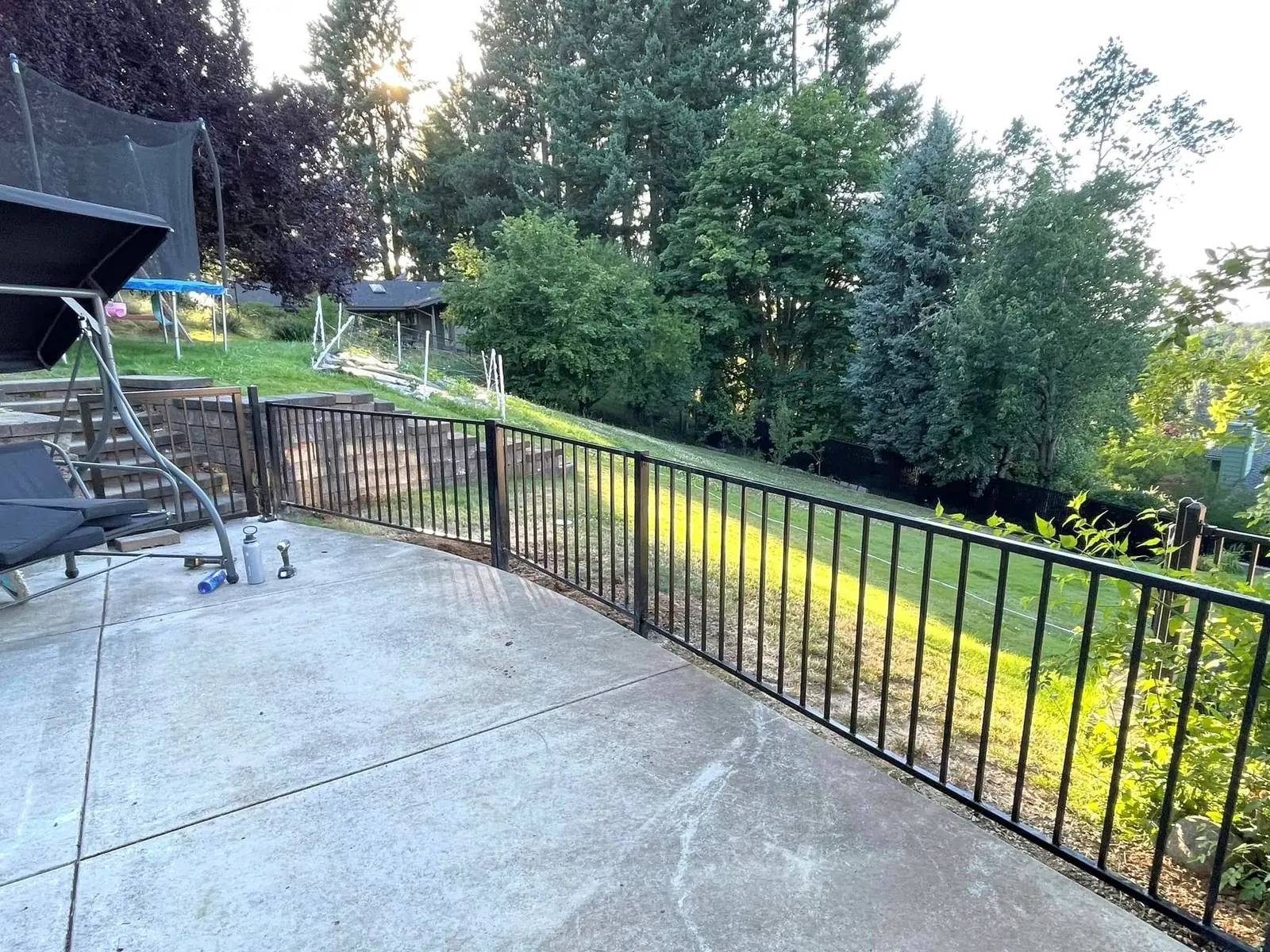
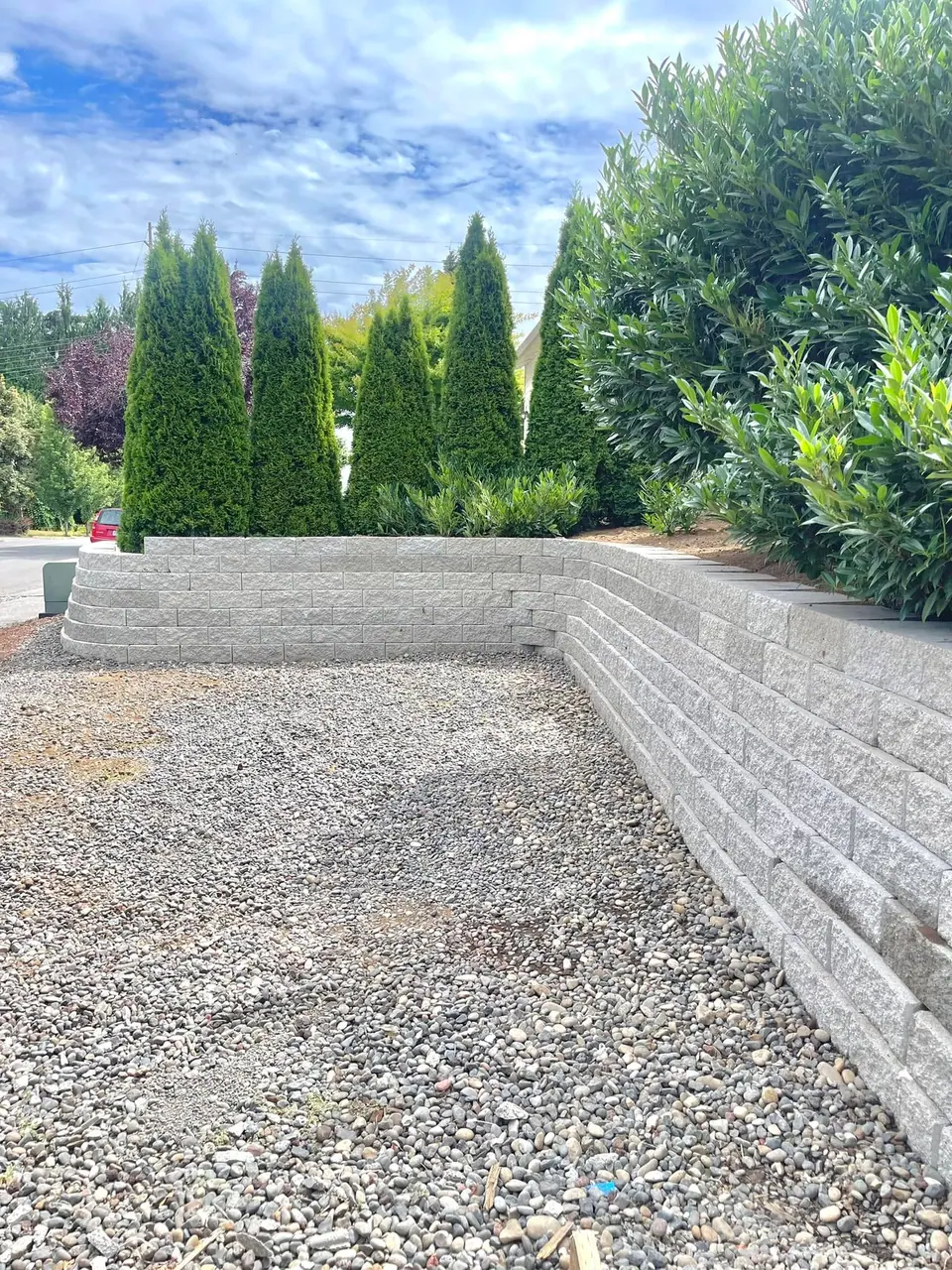
Recent Clark County projects
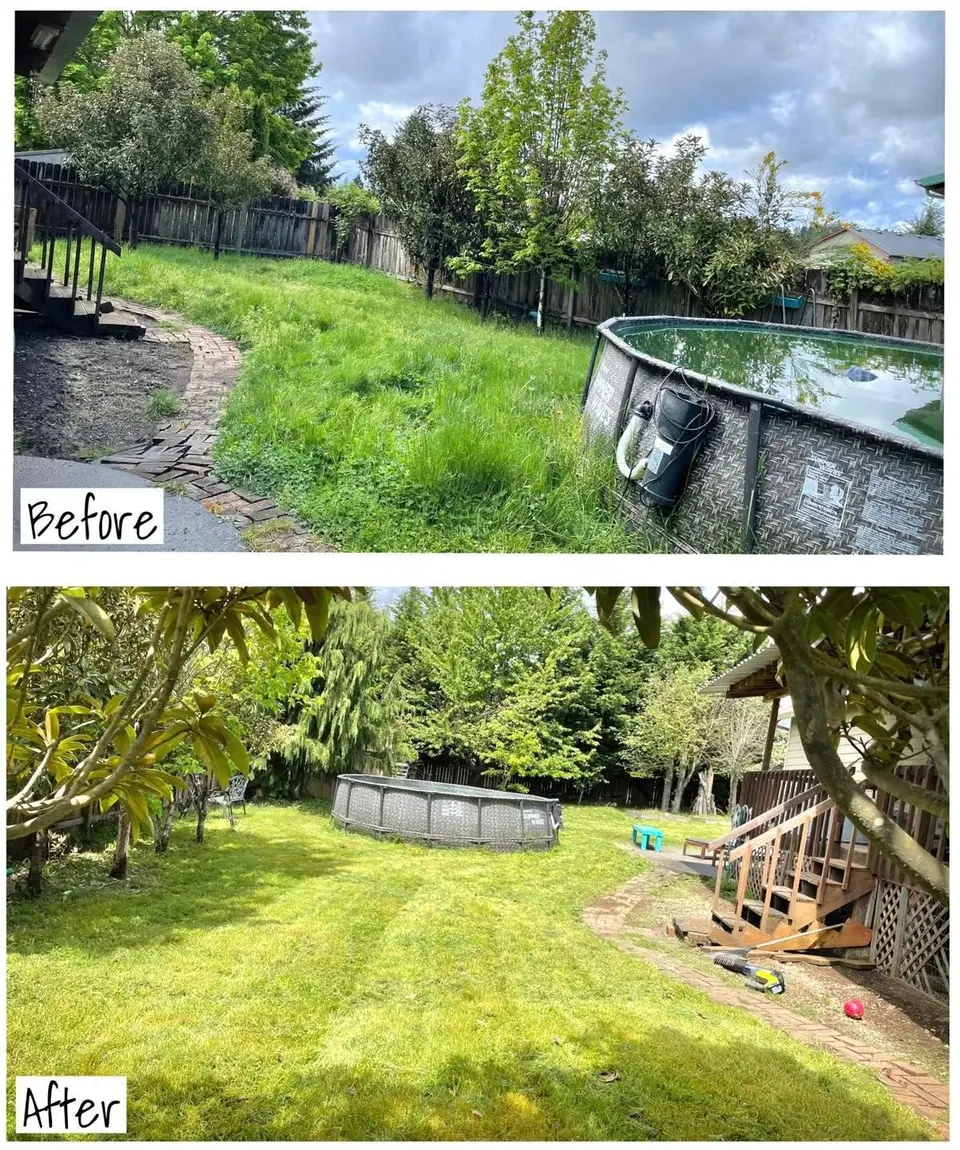
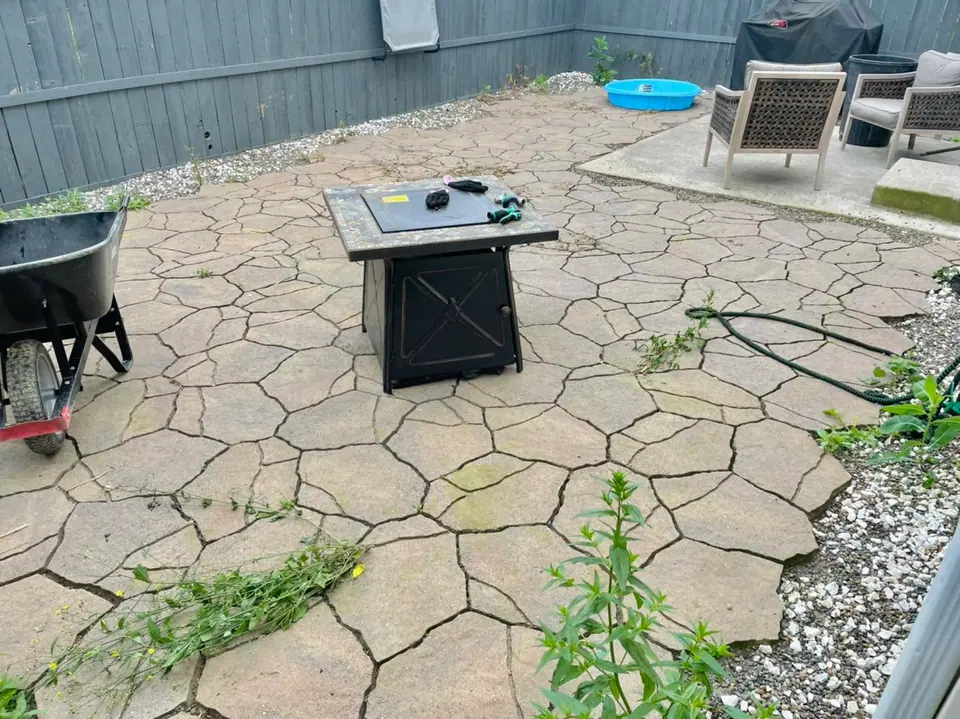
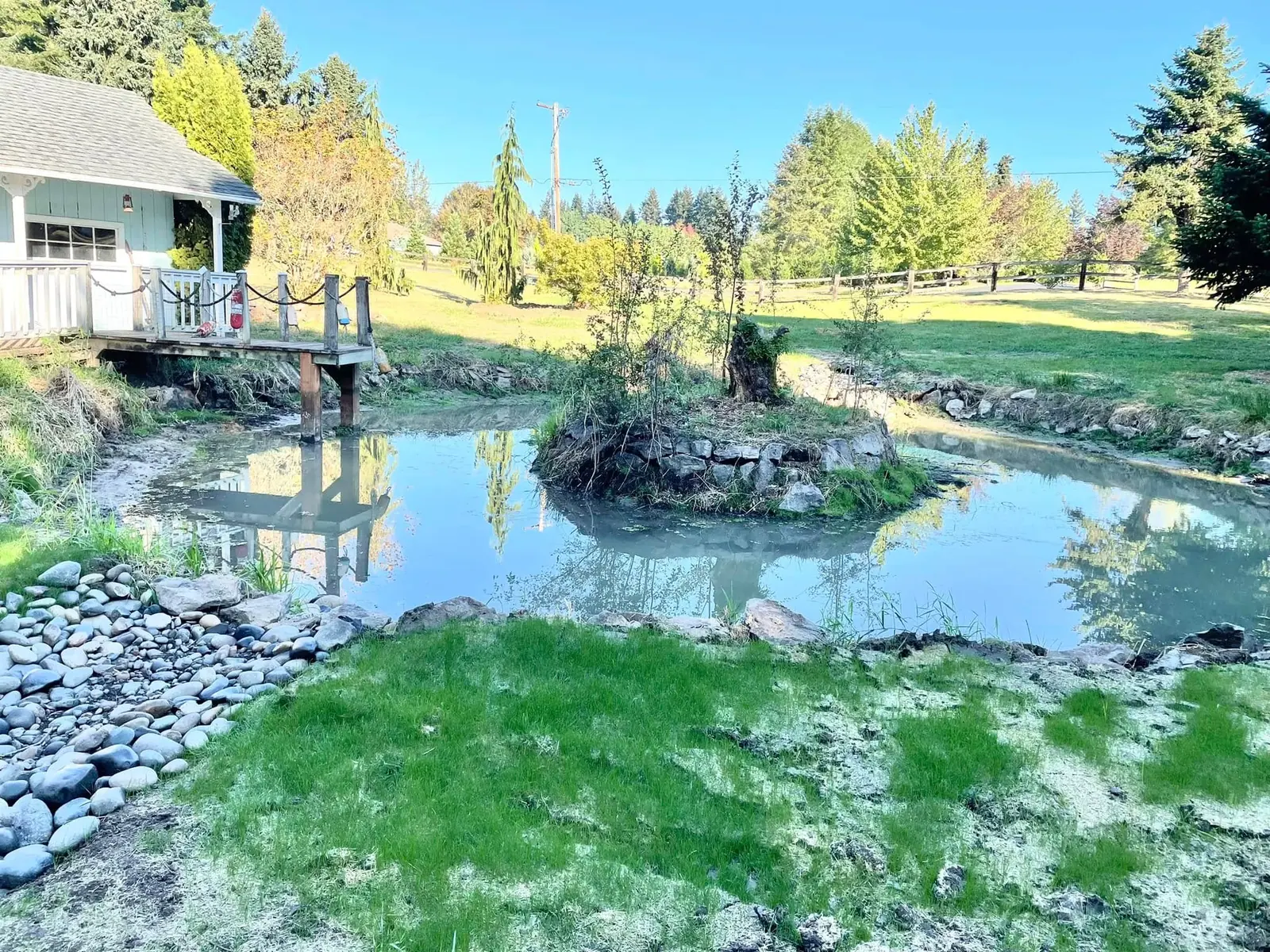
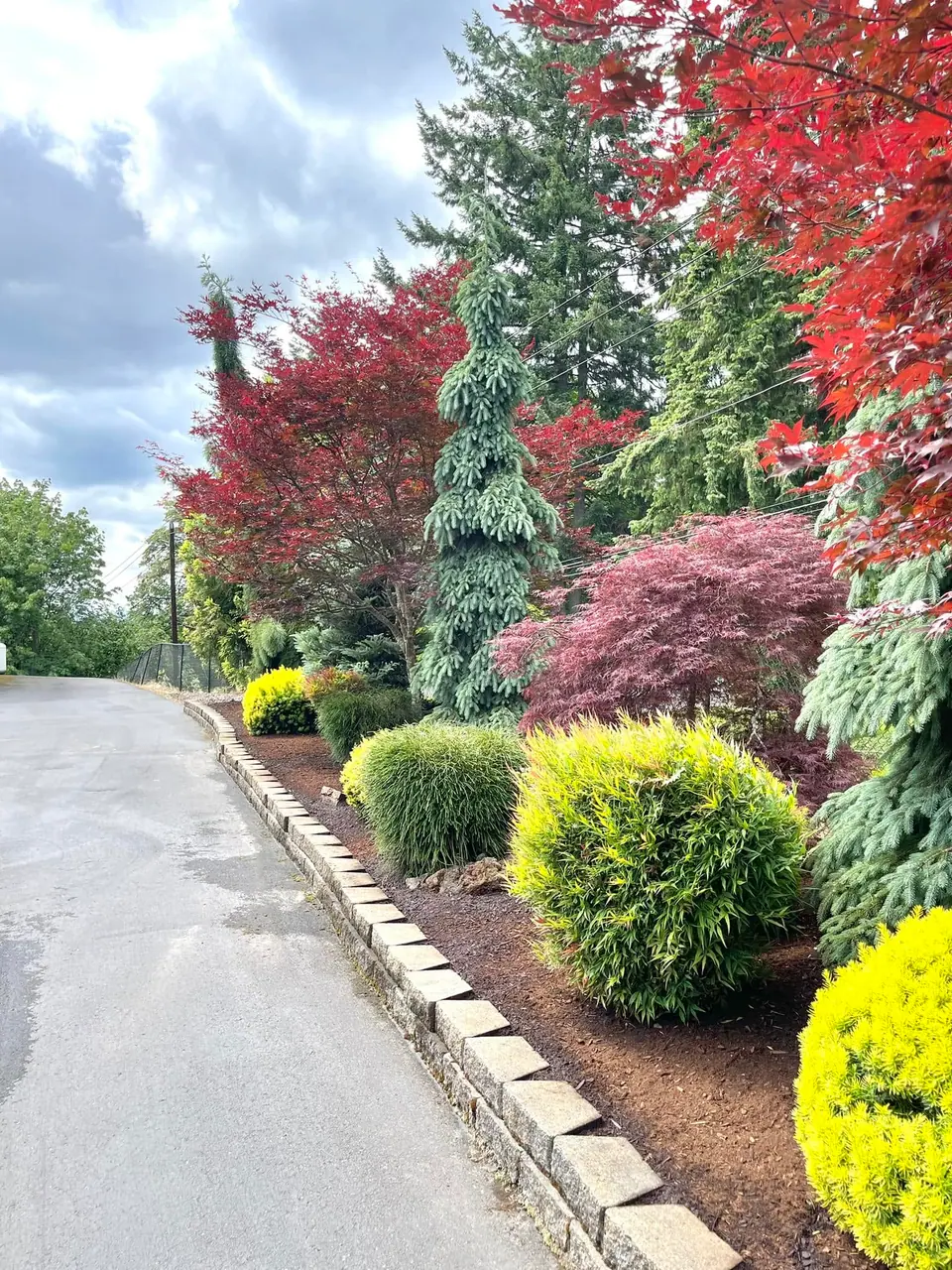
Five stars, from people who let us in their back yard
Reviews below are from our verified Thumbtack profile. We would rather show you four real ones than a wall of anonymous quotes.
Marak did a FANTASTIC job from start to finish. If I could I’d give him 10 stars. He designed and built the garden bed. He filled it with good soil; and he transplanted my irises and some other plants. He was great at communicating; he was on time; he cleaned up. His prices were reasonable (in middle of quotes I got). I’d use him again in a New York minute.Kathleen P.Verified Thumbtack review
Marak and his team did a great job for our backyard and side yard. Very good craftsmanship and work quality. We will definitely hire them again for future projects!Jenny B.Verified Thumbtack review
Marak did such a great job for me. He listened to what I wanted and made suggestions for things I didn't think about. He was always there when he said he would be and worked so fast. I highly recommend!!!Pamela P.Verified Thumbtack review
Building or fixing something in Salmon Creek?
Free on-site estimates across Clark County. We walk the property with you, tell you what it actually needs, and put a fixed price in writing.
Landscaping in Salmon Creek: common questions
Why does everything in our yard seem to be failing at once?
Because it was all installed at once. The subdivisions around WSU Vancouver, Legacy Salmon Creek and the NE 139th corridor went in through the 1990s and 2000s, and twenty-five to thirty years is roughly the service life of a builder-grade timber wall, an unsealed concrete walkway and a lawn laid on unamended subgrade. They reach the end together.
Our timber retaining wall is rotting. Should it be rebuilt in timber or block?
Almost always block. Timber walls of that era were built with limited drainage and a finite lifespan, and replacing like for like buys you another twenty years at best. Segmental block with proper drain rock and a real outlet is a permanent answer rather than a repeat appointment.
Our lawn has turned to moss since the trees grew. What are the options?
Be realistic first: trees planted as saplings in 1998 are now large, and a lawn under that much shade is not coming back with more seed. Depending on how much sun is genuinely left, the honest answers are shade planting and bark, artificial turf, or thinning the canopy. Reseeding is the option that fails every second winter.
Can you replace the original concrete walkways and patio?
Yes, and it is common work here. Thirty-year-old unsealed concrete that is cracked, lifted by roots or stained is usually past repair. Replacing it is also the moment to fix the grade around it, because those paths have frequently settled toward the house over three decades.
Why has our back yard started staying wet when it never used to?
Two things usually converged. The ground has compacted over decades of use, and the original drainage — often minimal to begin with — has silted up or its outlet has quietly vanished under bark and leaf litter. A yard that changed gradually rarely has one dramatic cause.
Our lot backs onto the Greenway. Does that restrict anything?
It can. Lots backing onto the Salmon Creek Greenway and the creek corridor sometimes sit low, stay wet, and carry critical-area buffers. Drainage design near the corridor has to account for where water is allowed to go, so it is worth establishing before planning work rather than during it.
Do you cover Mount Vista, Pleasant Highlands and the WSU Vancouver area?
Yes, along with the Felida border and the NE 139th corridor. Salmon Creek is about fifteen minutes south of our Ridgefield shop, so it is straightforward for us to work there.
Is it better to renovate in pieces or start over?
It depends on what is underneath. Where the grade and drainage are sound and it is the surfaces that are tired, piece-by-piece renovation is good value. Where the yard has a drainage problem, replacing individual items one at a time means paying for the same access and disruption repeatedly.
Can we keep the mature trees but redo everything else?
Usually, and often you should — they are frequently the most valuable thing in the yard. It constrains where trenches and footings can go and means accepting shade in the design rather than fighting it. What we will not do is trench through a root plate to make a layout work.
Our irrigation system is as old as the house. Is it worth repairing?
Sometimes the pipework is sound and only the heads, valves and controller need attention, which is good value. Where the system was undersized or badly zoned from the start, repairing it preserves the original mistake. We will tell you which you have rather than quoting a rebuild by default.
What is the highest-value thing to fix first?
Anything protecting the house — grade falling toward the foundation, downspouts discharging at the wall, a wall that has started to move. Those get worse and take other things with them. A tired patio is unattractive but it is not causing damage while you wait.
Do you remove and haul away the old landscaping?
Yes, and on a renovation it is a bigger part of the job than people expect. Old timber walls, broken concrete, thirty years of bark build-up and dead planting all have to go somewhere. It belongs in the written scope rather than appearing at the end.
Can a renovation be done in phases?
Yes, provided the order is planned. Drainage and grading go first because they live under everything; hardscape next; planting and lawn last. Phasing a renovation without that sequence is how people end up lifting a new patio to reach a drain line.
How long does a full yard renovation take?
Longer than a comparable new build, because demolition and removal come first and because there are always surprises under thirty years of accumulated work. Old footings, forgotten irrigation lines and buried debris turn up routinely. We build some allowance for that into the schedule rather than pretending otherwise.
Will a renovation actually add value when we sell?
Drainage and structural repairs protect value rather than adding it — but a leaning wall or a wet crawl space is something a buyer will price against you hard. Beyond that, a usable outdoor space in good order shows well. We will give you a straight view on which parts are worth doing if a sale is the goal.