Sod & Lawn Installation in Clark County, WA
New sod lawns and full lawn renovations with real soil preparation — the part most companies skip.
Get a Free EstimateSod is the easiest landscape product in the world to sell badly. Anyone can roll green carpet over hard ground and collect a check — it looks perfect for three weeks and then thins out, because the roots hit compacted clay two inches down and stop.
The prep is the product
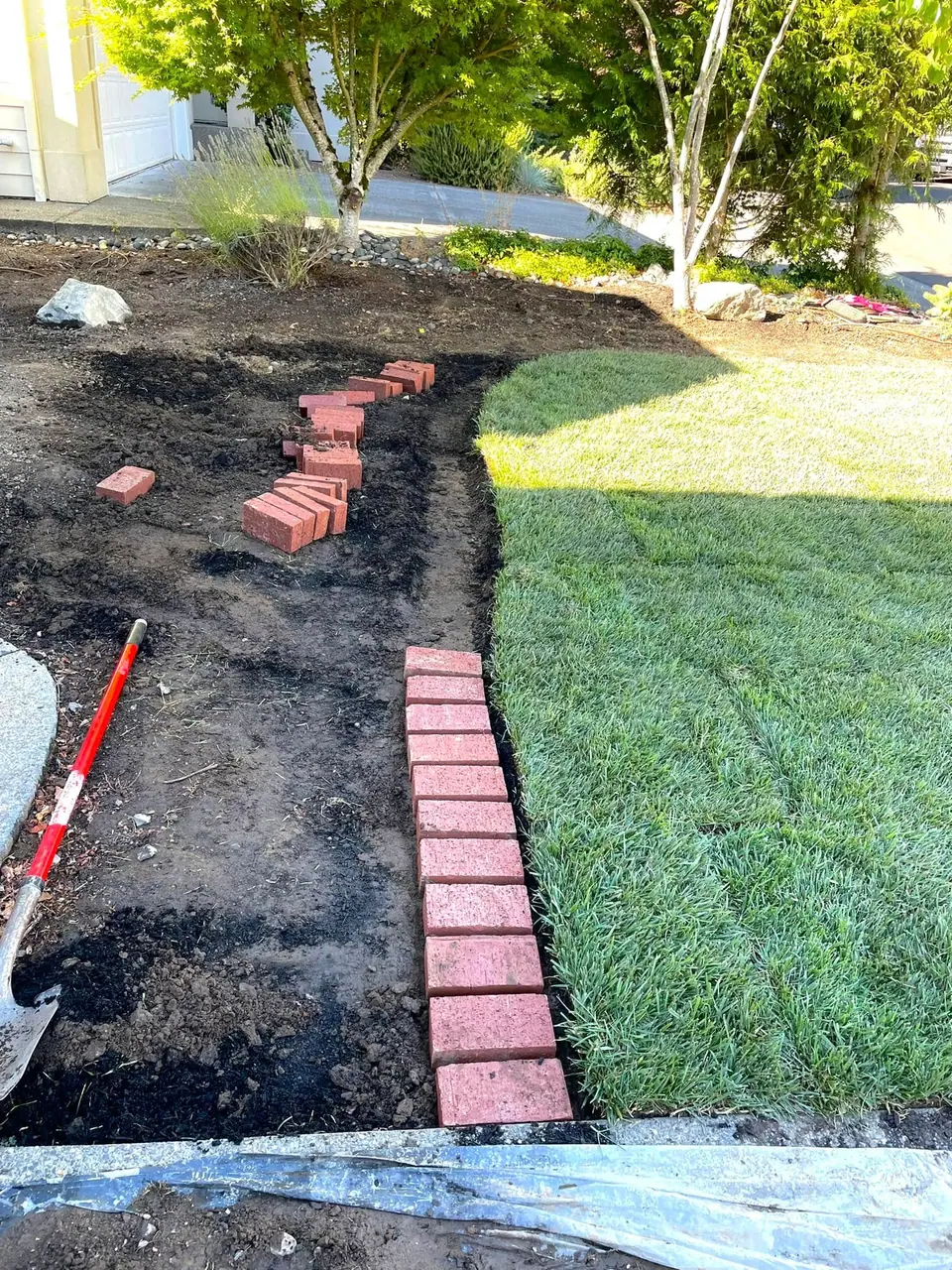
On new construction, the ground has been driven over by heavy equipment for months and is compacted to something close to a road base. We rip and till that, remove construction debris and rock, and bring in amended topsoil so there is actual root zone to grow into.
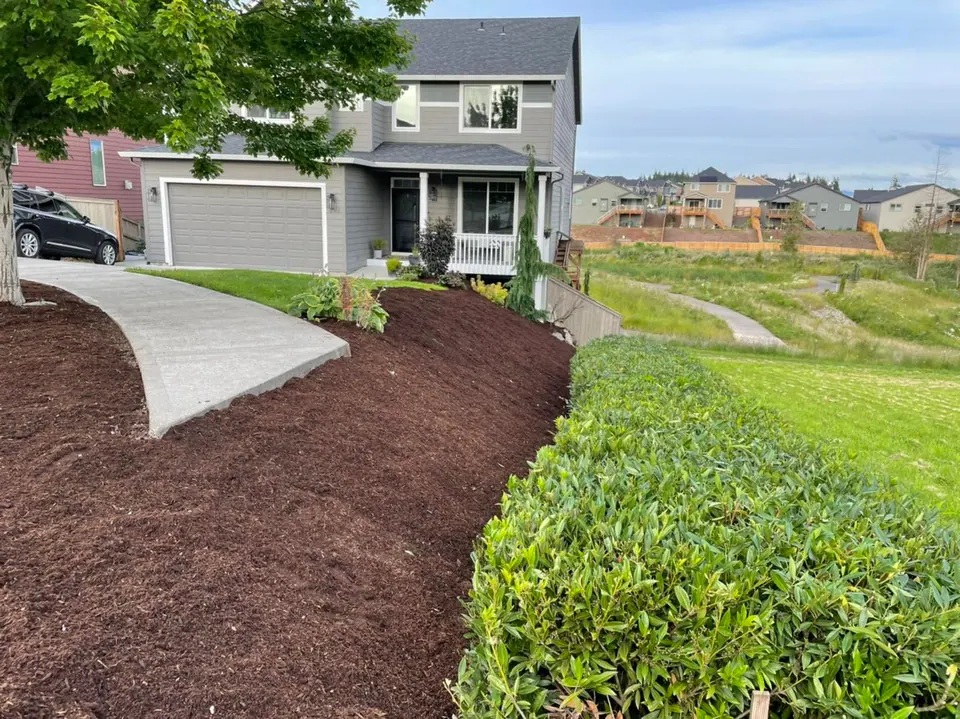
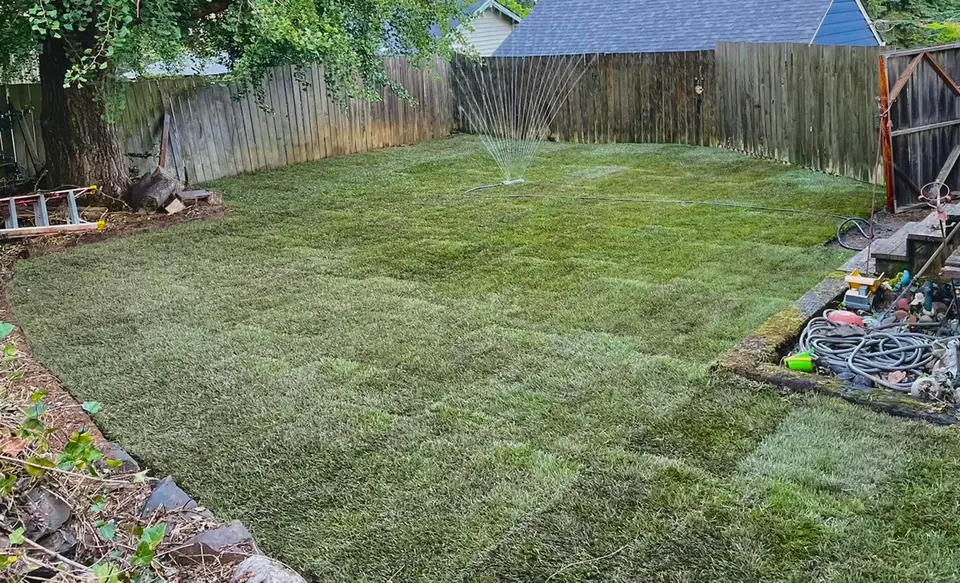
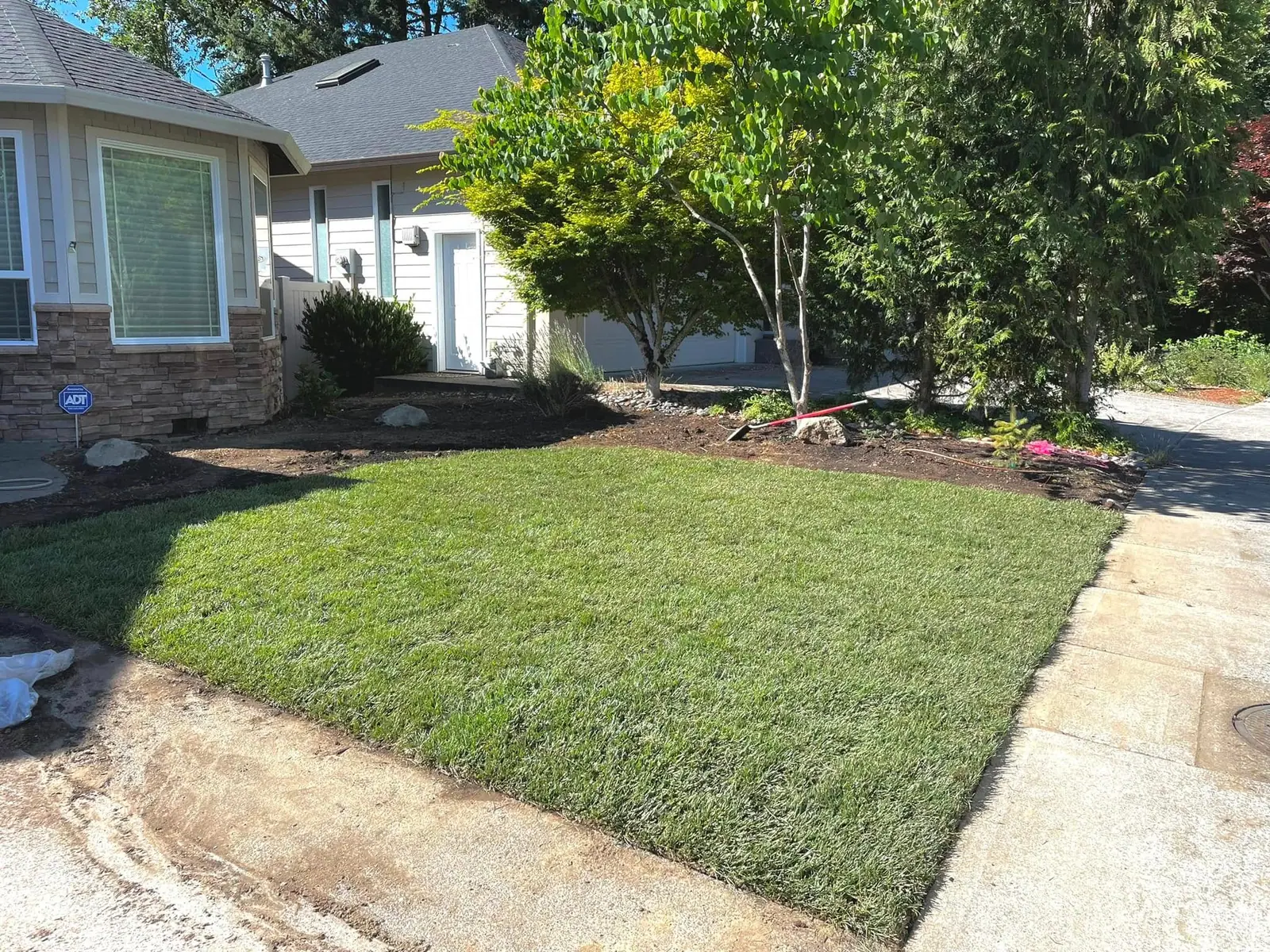
Grading comes next, and it does two jobs: it makes the lawn look right, and it moves water away from your foundation and out of the low spots that otherwise become moss patches every winter. Then we roll, fine-grade by hand, and lay sod tight with staggered seams so there are no gaps to dry out.
You get a watering schedule when we leave, and it matters. Most new sod that fails in Clark County fails in the first three weeks from underwatering.
Sod or seed?
Sod gives you an instant, usable lawn and it can go in nearly year round here. Seed costs less per square foot and gives you a wider choice of grass varieties, but it needs a spring or early fall window, consistent moisture and roughly two months before anyone can walk on it. For most Clark County homeowners with kids or dogs, sod is worth the difference.
Lawn renovation
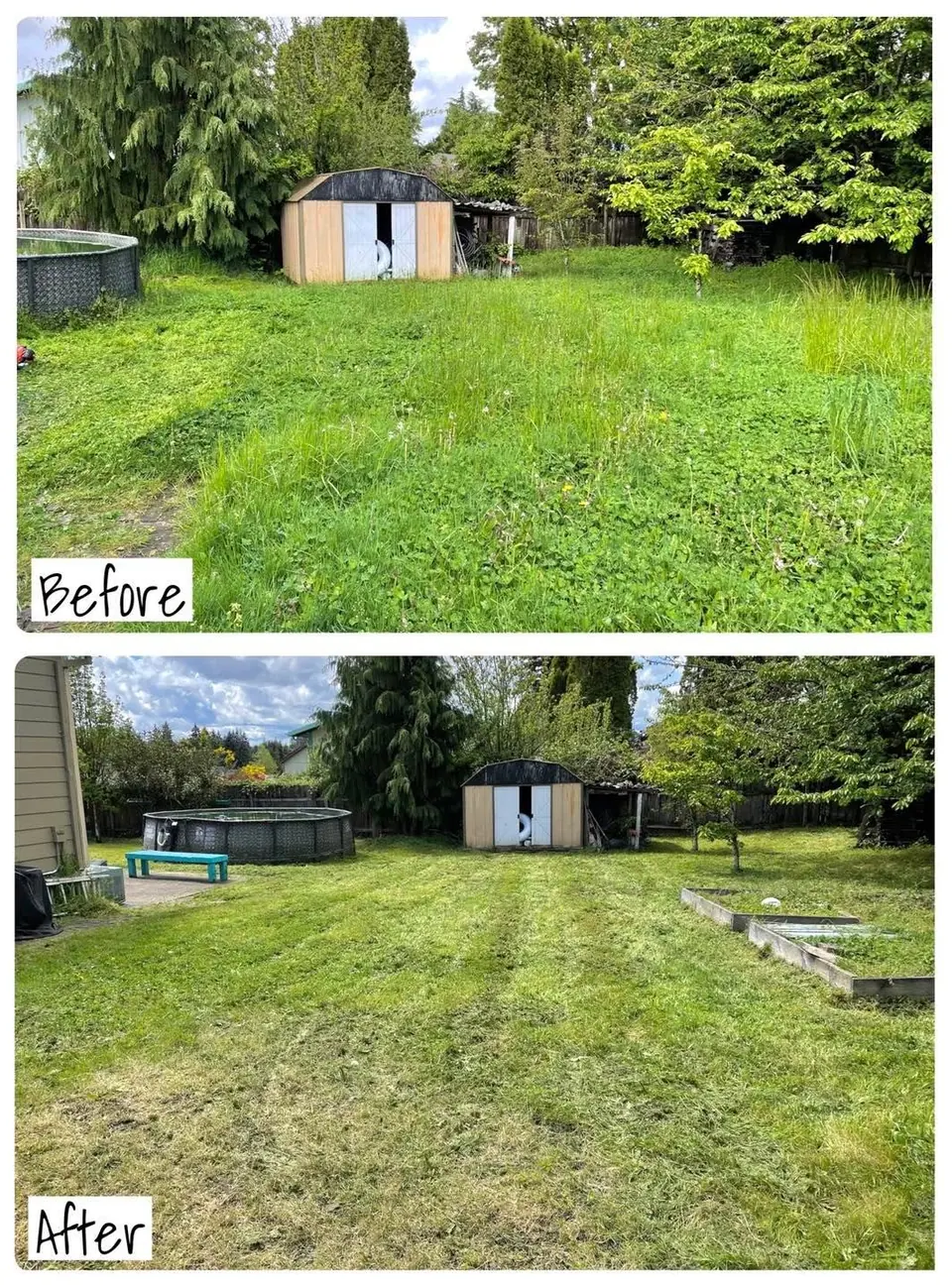
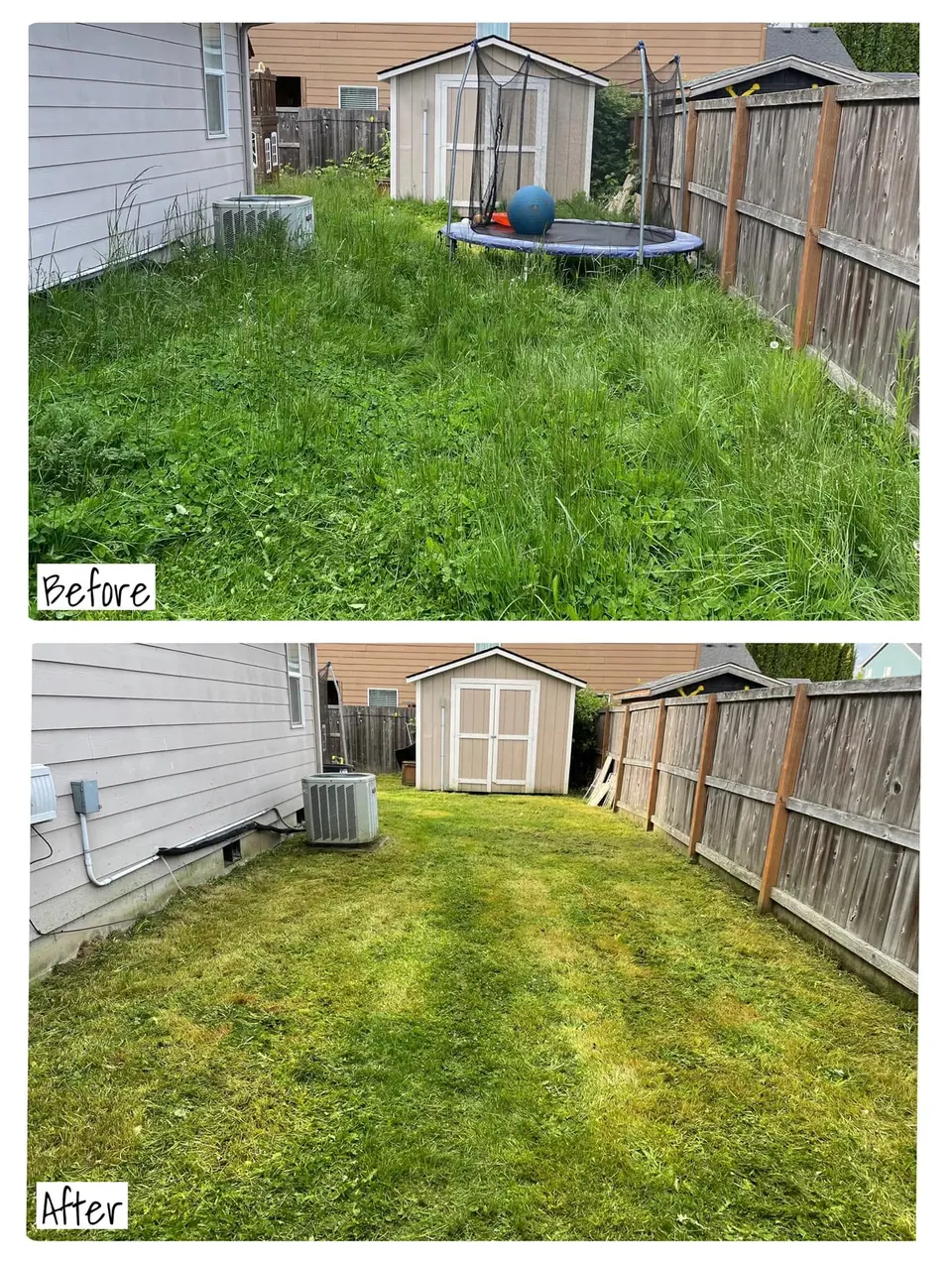
If you already have a lawn that is more moss than grass, the fix is usually not more seed. We strip the failing turf, address the reason it failed — nearly always compaction, shade or standing water — correct the grade, amend the soil, and re-establish. Fixing the drainage first is the difference between a lawn that lasts and one that regresses in two seasons.
What is included
- Rip and till compacted construction subgrade
- Debris and rock removal
- Amended topsoil brought to depth
- Fine grading pitched away from the foundation
- Tight staggered seams, rolled in
- Written watering and first-mow schedule
Every quote is fixed and in writing. We walk the site, tell you what the job actually needs, and price it. If we find something during the walkthrough that changes the scope, you hear it then — not as a change order halfway through.
Sod & Lawn Installation by city
Local conditions change what this job takes. Pick your area for the specifics.
Need sod & lawn installation?
Free on-site estimates across Clark County. We walk the property with you, tell you what it actually needs, and put a fixed price in writing.
Sod & Lawn Installation: common questions
When is the best time to lay sod in Clark County?
Spring and early fall are ideal, but our mild winters mean sod can be installed almost year round here. The one window to be careful with is mid-summer, when new sod needs watering more than once a day to establish. We will tell you if your timing is going to make establishment harder.
How soon can we walk on new sod?
Keep traffic off for about two weeks, and keep pets off for closer to three. Light foot traffic after that is fine. Give it a full growing season before it takes real play or party use.
How much do I water new sod?
Heavily and often at first — generally twice a day for the first week or so, then tapering to less frequent, deeper watering over the following month to pull roots downward. We leave you a specific schedule for your install date and weather.
Why does my lawn grow moss instead of grass?
Moss is a symptom, not the disease. It moves in where grass is weak, which here almost always means shade, compaction, standing water or acidic soil — often all four. Killing the moss without fixing the cause just clears space for it to come back. That is why we start with drainage and grade.
What do you do to the ground before the sod goes down?
Strip whatever is there, deal with the grade so water runs somewhere sensible, relieve the compaction left by construction traffic, and bring in quality topsoil where the existing soil will not grow anything. Sod laid on compacted builder’s subsoil roots badly and thins out within two seasons no matter how well you water it.
How much topsoil does a new lawn need?
Enough for roots to get down into — several inches of decent soil, more where the existing ground is compacted or stony. New-construction lots are the usual problem: the topsoil went off site during the build and what is left is subsoil rolled hard by machinery. That is a soil job before it is a sod job.
Sod or grass seed — which is better here?
Sod gives you a finished lawn immediately, holds a slope while it roots, and crowds out weeds. Seed costs less and lets you choose a mix precisely, but it needs a long, gentle establishment window, and our climate gives you a narrow one — wet through winter, dry through summer. For most Clark County yards, sod is the more reliable outcome.
What kind of grass suits Clark County?
Cool-season mixes, generally perennial ryegrass and fescues, which is what our local growers supply. They suit mild wet winters and cope with the transition into a dry summer far better than warm-season grasses, which are wrong for this climate entirely.
Will grass grow under my fir trees?
Rarely well, and it is worth being honest about before you spend money. Deep conifer shade, acidic needle litter and dense surface roots that take the water first are three strikes against a lawn. In those areas we usually steer people to shade planting, bark or turf rather than selling sod that will be moss within two winters.
Do I need irrigation for a new lawn?
For establishment, absolutely — new sod needs consistent water while it roots, and under three inches of rain falls across our entire summer. Long term, a lawn without irrigation here will go dormant and brown from July to September. Some homeowners accept that; most who want green in August install irrigation.
When can I mow the new lawn for the first time?
Once it has rooted enough that a gentle tug does not lift the sod, which typically takes a couple of weeks in good conditions. Take only the top off on the first cut, make sure the mower blade is sharp, and avoid turning tightly on it. We give you a written watering and first-mow schedule so you are not guessing.
Why is my new sod going yellow in patches?
Most often uneven watering — high spots and edges dry out first, and sod that dries at the seams shrinks and leaves gaps. It can also be poor contact with the soil beneath, or a buried patch of debris or compaction. In the first month it is nearly always water; after that it is worth looking underneath.
Can you lay sod over my existing lawn?
No, and anyone offering to should be avoided. Sod laid over existing turf sits on a decomposing layer, roots poorly and leaves you with a soft, uneven lawn. The old lawn comes out, the ground gets prepared, and the new sod goes onto soil.
How do I keep moss out of the lawn long term?
Moss is a symptom, not a disease — it moves into lawns that are shaded, compacted, poorly drained or acidic, all of which our climate encourages. Killing the moss without changing those conditions just clears space for next winter’s crop. Fixing drainage, relieving compaction and being realistic about shade is what actually works.
Can you sod a slope?
Yes, and sod is the better option there because it holds the surface from day one where seed washes away in the first heavy rain. On steeper banks the sod is staked until it roots. Worth asking first, though, whether you want to be mowing that slope for the next twenty years.
How soon after installation can the dog use the lawn?
Give it longer than you would give people — the roots need to knit before paws, and especially claws at speed, start working on it. Traffic on newly laid sod tears seams open and compacts the soft prepared soil underneath, which is the ground you just paid to loosen.
Can you fix a patchy existing lawn instead of replacing it?
Sometimes. If the soil and drainage underneath are sound and the problem is thin turf, aeration, topdressing and overseeding can bring it back. If the lawn is thin because it sits on compacted ground that holds water all winter, repairing the surface is treating the symptom and you will be back in two years.
How long does a sod installation take?
Ground preparation is most of it. Once the grading, soil and irrigation are sorted, laying an average residential lawn is usually a day. The honest timeline runs from a couple of days for a straightforward replacement to well over a week if grading and drainage have to be fixed first.
What is the best time of year to install a lawn?
Autumn is genuinely the best window here — warm soil, returning rain, and months of mild weather to root before summer. Spring is a close second. Mid-summer is the one to think twice about, because establishment then depends entirely on you watering it more than once a day.